

Making a Paper or Foam Mockup Before Touching Leather

Many creators skip mockups because they feel eager to jump straight into the real build. The excitement is understandable. You have an idea in your head and you want to see it come to life. But materials like leather, metal, resin, or specialty plastics are not forgiving. One wrong cut or miscalculated angle can waste hours of work and costly materials.
A paper or foam mockup might seem like an extra step, but in reality, it is the step that protects your time, your budget, and your creative vision.
At Prince Armory Academy, students are taught that preparation is not hesitation. It is craftsmanship. Whether you are designing armor, props, costumes, or structural builds, mockups allow you to test ideas before committing to expensive materials. That single habit can be the difference between frustration and flawless results.
Choosing Between Paper and Foam for Mockup
Both materials are excellent for planning. The right choice depends on what you are testing.
Paper mockups are ideal for checking shapes, measurements, and pattern alignment. They are quick to assemble, inexpensive, and easy to modify. If your main concern is proportion or layout, paper is usually enough.
Foam mockups are better for testing thickness, structure, and movement. Foam mimics the physical presence of heavier materials, helping you understand how the final piece will feel when worn or handled.
Many advanced makers start with paper and then create a foam version before moving to final materials. This two-step approach gives maximum confidence before committing.
How to Make a Mockup (Paper & Foam)?
Creating a mockup is an important step before working with leather, metal, or other expensive materials. Here is a simple approach based on Prince Armory Academy tutorials:
Paper Mockups
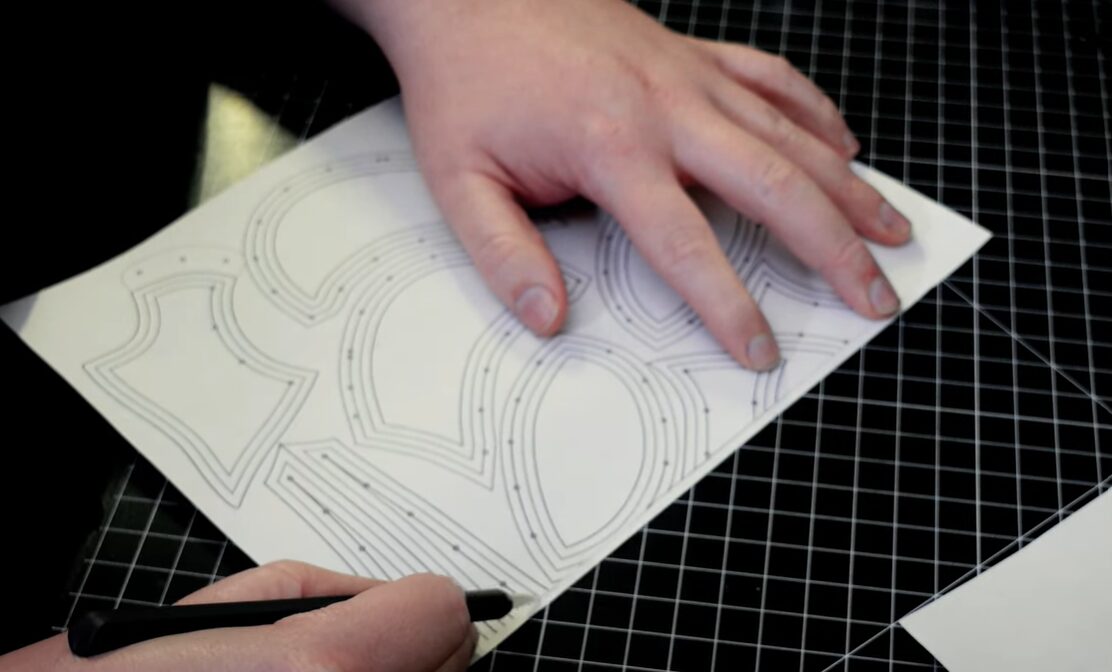
- Print your pattern on cardstock or poster board.
- Cut out the pieces and assemble them with tape or brads (small paper fasteners).
- Paper mockups are useful for checking shape, alignment, and hole placement.
- Keep in mind that paper is thin and has no stretch, so if it feels snug, scale up slightly.
Foam Mockups
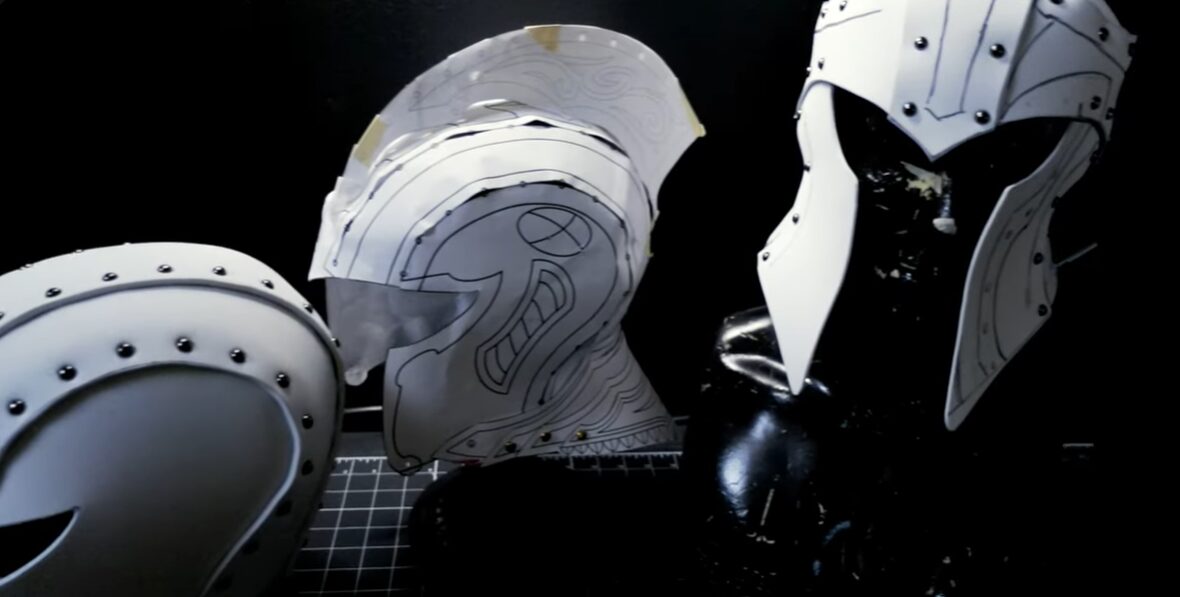
- Use high-density EVA foam in a thickness similar to your final material. Two millimeter sheets work well for prototypes.
- Foam can be shaped using a heat gun, which lets you mimic the curves and stretch of leather.
- Mark holes with a pen and loosely assemble with brads to check fit, structure, and movement.
- Foam is inexpensive and reusable. If you make a mistake, you can flatten it and try again.
- Many makers start with a paper mockup and then create a foam version before cutting the final material.
The Hidden Cost of Skipping the Mockup Stage
When beginners skip prototyping, they often discover issues halfway through the final build. Maybe the armor piece restricts movement. Maybe the sizing is off. Maybe two sections do not align the way they looked on paper. Fixing mistakes at that stage is far harder and far more expensive.
Without a mockup, you risk:
- Wasting premium materials
- Restarting entire sections
- Losing symmetry in your design
- Compromising comfort or functionality
A simple paper model could reveal all of those issues in minutes.
Paper vs Foam: Which Mockup Material Is Best?
Both materials are excellent for planning. The right choice depends on what you are testing.
Paper mockups are ideal for checking shapes, measurements, and pattern alignment. They are quick to assemble and easy to modify. If your main concern is proportion or layout, paper is usually enough.
Foam mockups are better for testing thickness, structure, and movement. Foam mimics the physical presence of heavier materials, so it helps you understand how the final piece will feel when worn or handled.
Many advanced makers start with paper and then create a foam version before moving to final materials. This two step approach gives maximum confidence before committing.
How Mockups Improve Creative Confidence?
Mockups are not just technical tools. They are confidence builders. When you hold a prototype in your hands, your design stops being theoretical and becomes real. You can see it from every angle. You can test how it sits, how it moves, and how it interacts with other pieces.
This process removes doubt. Instead of wondering whether your idea will work, you know it will. That confidence shows in the final product. Clean lines, accurate symmetry, and balanced proportions all come from thoughtful preparation.
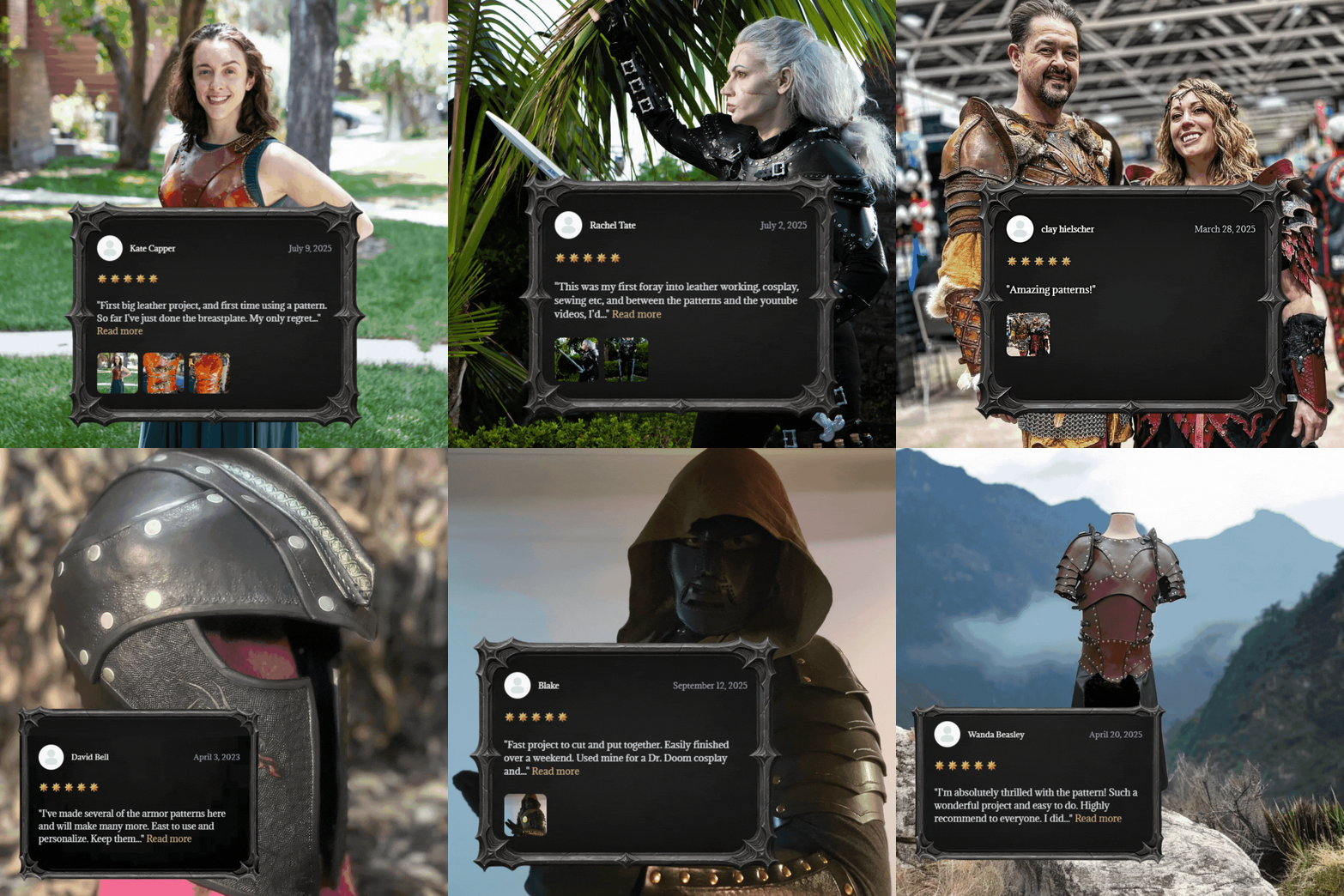
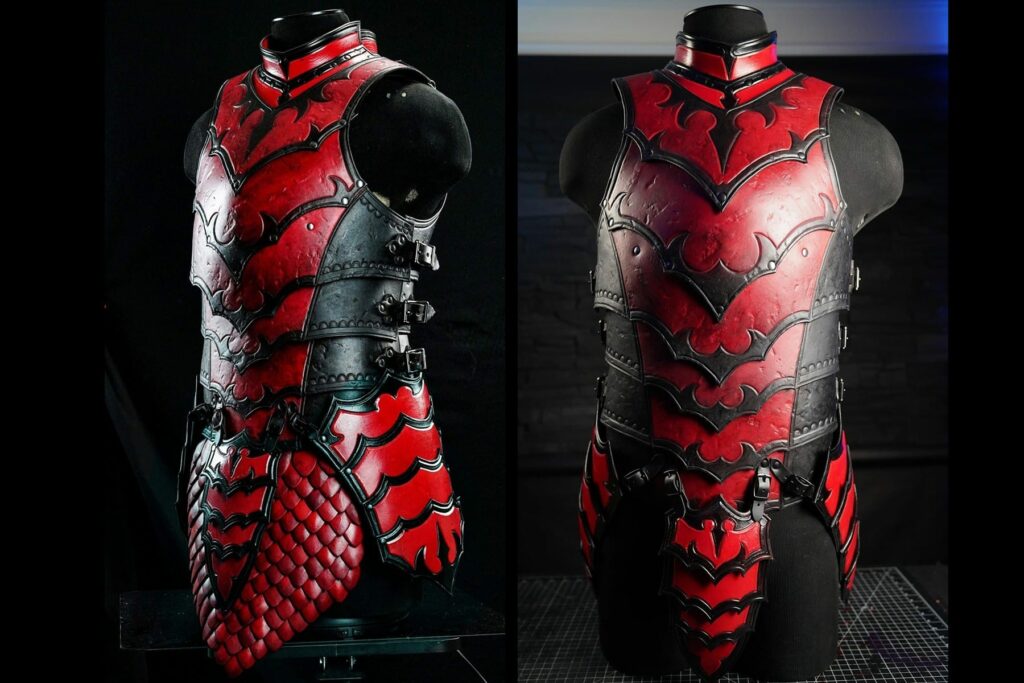
Student Work That Inspires
Your Build Starts Here
A paper or foam mockup might look simple, but its impact is powerful. It protects your resources, improves your accuracy, and strengthens your confidence. It transforms your process from trial and error into intentional creation.
If you want cleaner builds, fewer mistakes, and more professional results, start with a mockup. That one small habit can save your entire project and elevate your craftsmanship to a whole new level.

Responses